Hispanic culture has always been and will forever be the foundation of historic Santa Barbara.
Sept. 15 marks the anniversary of independence for the Latin American countries Costa Rica, Honduras, Nicaragua, Guatemala, and El Salvador. Thus, it also marks the start of Hispanic Heritage Month, an annual 30-day celebration of the contributions made by American citizens with ancestors from Central and South America, Spain, Mexico, and the Caribbean. Santa Barbara is certainly no stranger to the influence of Hispanic culture.
The land we stand on today is Chumash land, although colonization began with the Spanish Empire in 1769, marking the start of a violent and painful time for the Chumash peoples. By 1786, the iconic Mission Santa Barbara and the Santa Barbara Presidio had been established – landmarks that remain a staple in the city’s silhouette to this day. When Mexico gained independence from Spain in 1821, it also gained control of the Santa Barbara area. Santa Barbara thrived under Mexican rule, planting long-lasting and undeniable cultural roots that shape much of the city’s identity today.
The Spanish street and place names are perhaps one of the most obvious details depicting Hispanic culture in Santa Barbara. Carrillo and De La Guerra streets, for example, are named after two very influential and prominent Californio families. Furthermore, Santa Barbara’s dominating Mexican Restaurant scene and certain food traditions – like tamale making at Christmas – have roots in this period.
The recognizable red-tiled roofs and thick stucco walls have become defining features of Santa Barbara’s architectural style. Located in the heart of downtown Santa Barbara and built in 1819, Casa de la Guerra is a great template for Santa Barbara’s modern colonial revival architecture. It is also a great place to learn more about Santa Barbara’s Mexican period that took place from 1821 to 1848.
Mexico lost control of the area to the United States in 1848 after the Mexican-American War. This time period proved to be rather economically turbulent for the Hispanic majority. Many Californios struggled to maintain possession of their land or meet new tax requirements. They quickly lost leadership roles to Anglo-American newcomers, and many Hispanics faced discrimination and segregation during this time. However, the cultural ties put in place during Mexican rule were more than strong enough to withstand the changing demographics. Mexican immigration continued, replenishing the communities that had become minorities. Neighborhoods like the Eastside and Milpas districts were selected by laborers because of their prime location and affordable land, which is where we continue to see large concentrations of Hispanic families.
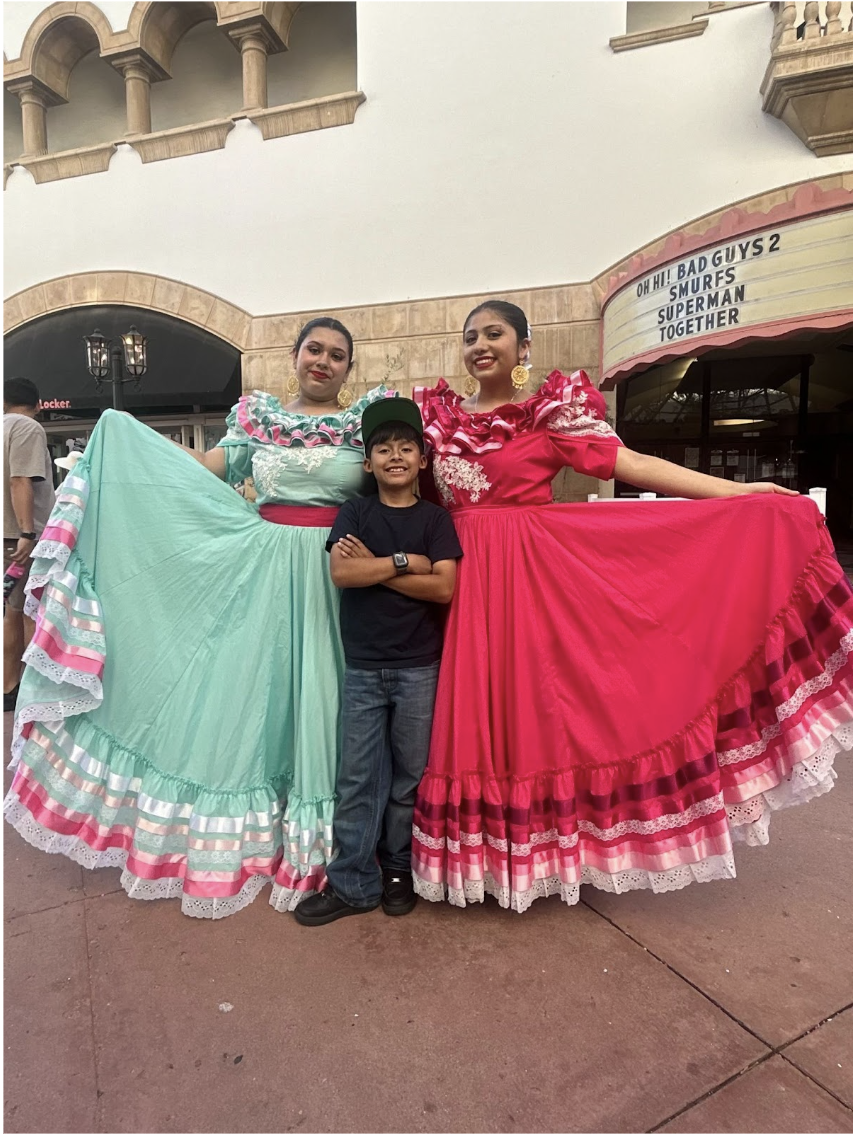
Among increasing ICE raids and the broader, bleak picture of widening immigration enforcement, honoring the roots Santa Barbara has in Hispanic culture is more important than ever. The Santa Barbara Public Library is hosting an event series called Raíces y Sueños until mid-October as a way to celebrate and raise awareness of Hispanic culture through workshops, storytelling, and art. Don’t miss the second annual Raíces y Sueños market on Oct. 11, complete with Folklórico performances, a bilingual storytime, and more! Starting in October, many classrooms on campus will be setting up ofrendas – colorful altars built for Dia de los Muertos, a celebration of the dead that originated in Mexico with Indigenous roots. Also, make sure to keep an ear out for the morning announcements, where the Translation and Interpretation pathway and ASB students will continue featuring prominent Latino figures in history!