
![[The SBHS Girls Waterpolo 2025-’26 team photo, Image Credit: Legends Photography]](https://sbhsforgenews.com/wp-content/uploads/2026/02/Screenshot-2026-02-19-at-3.23.45-PM-1200x878.png)





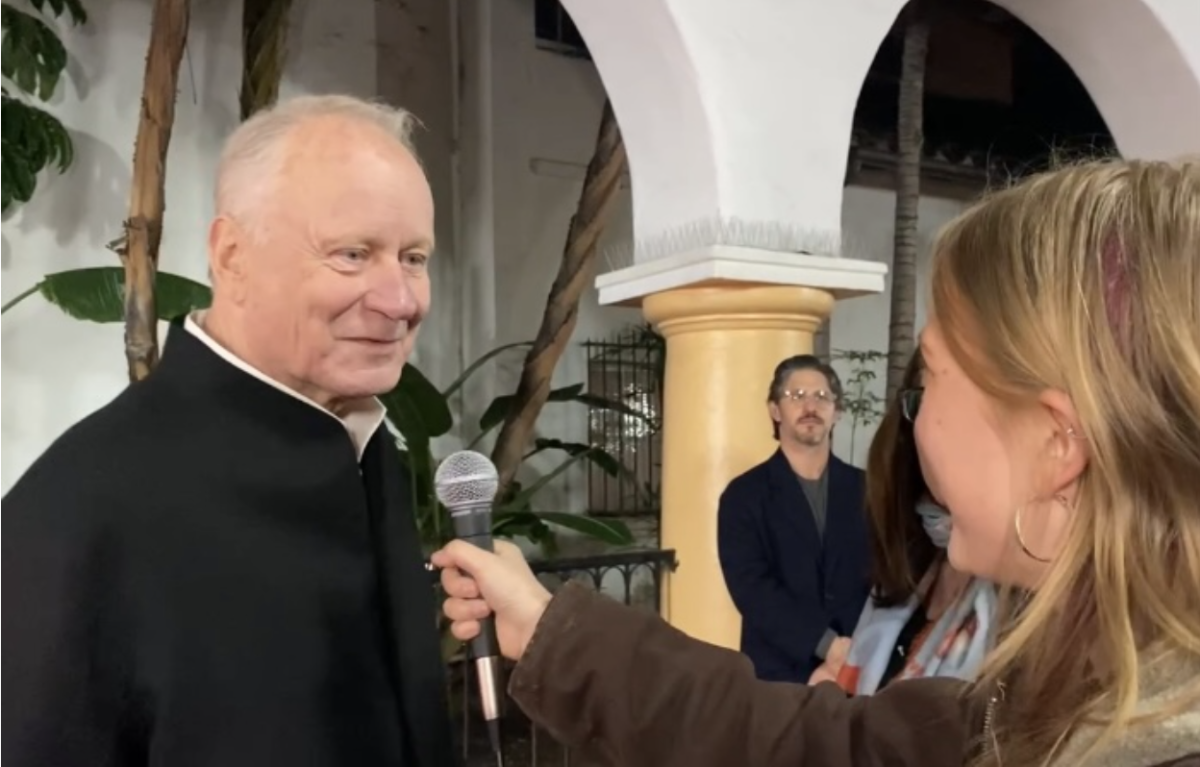
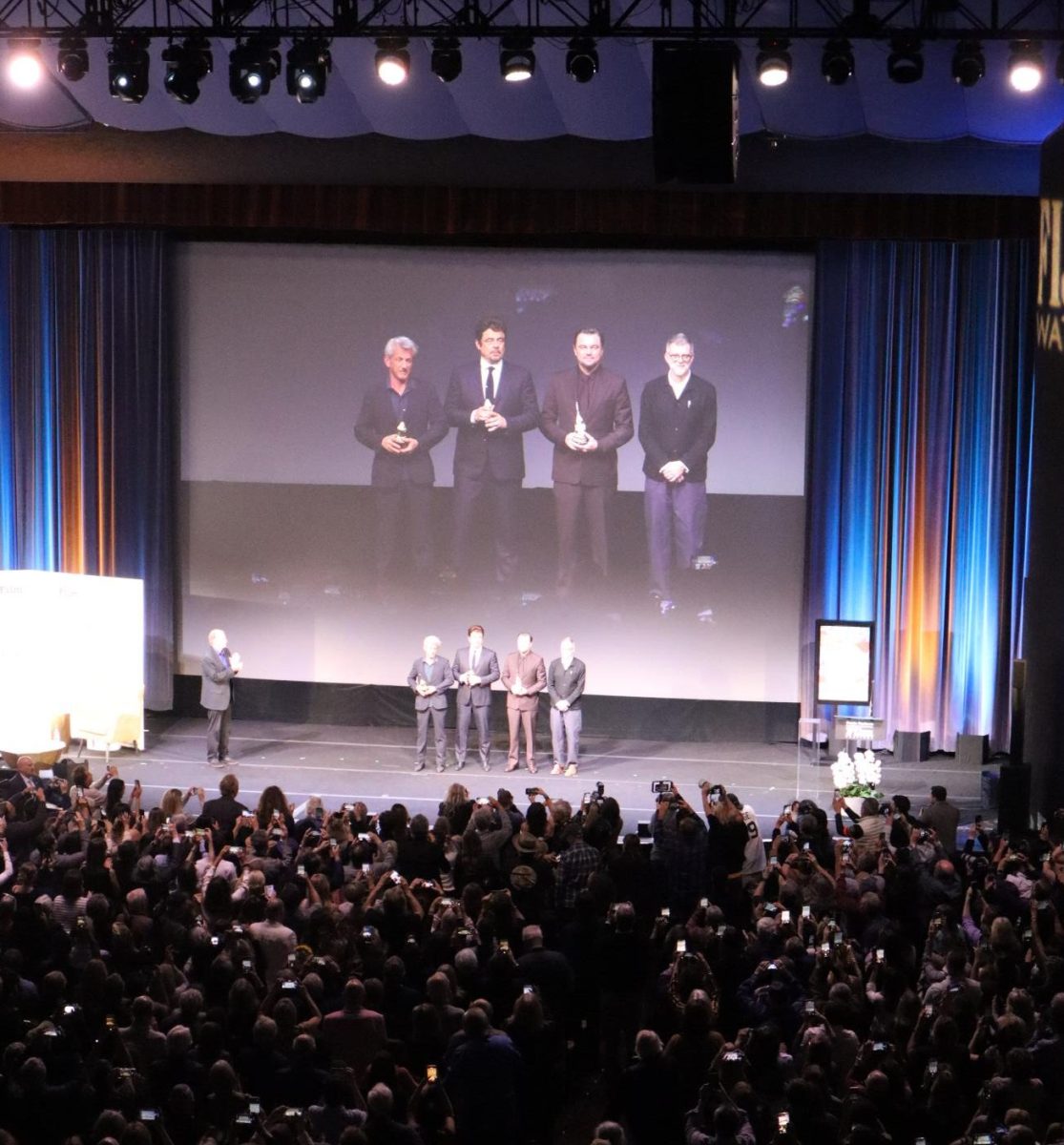
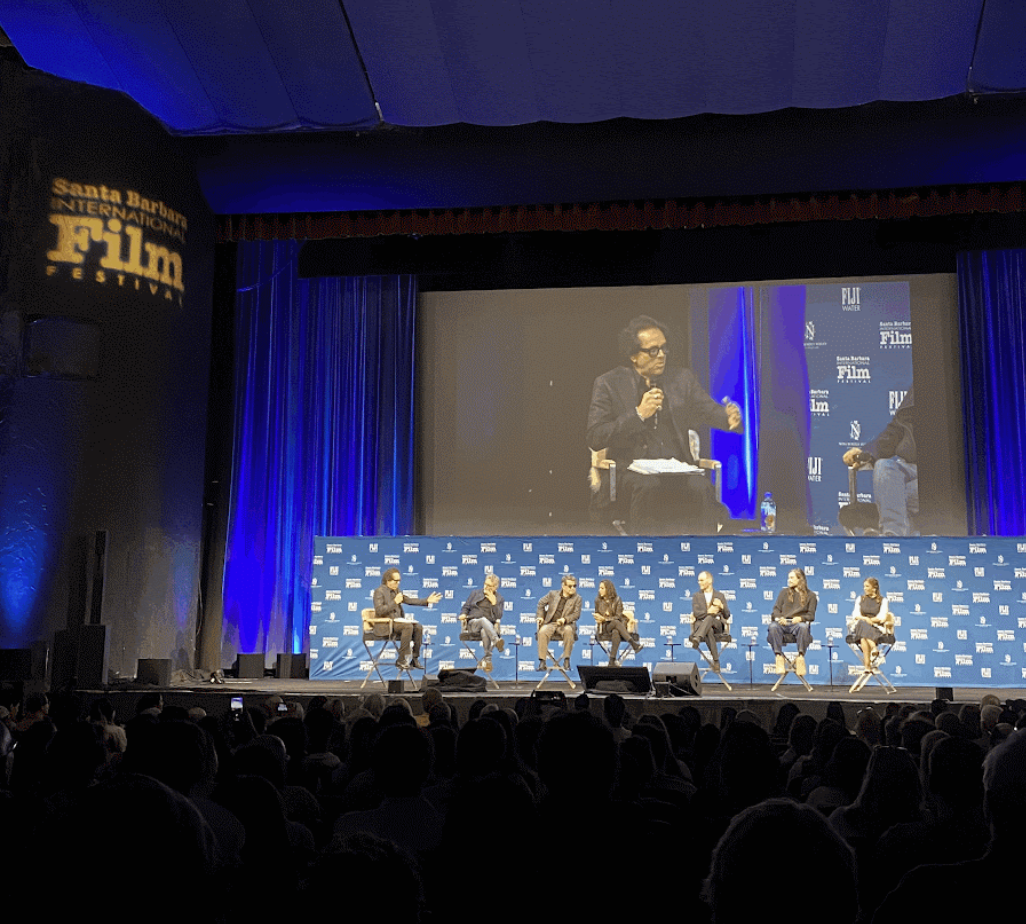
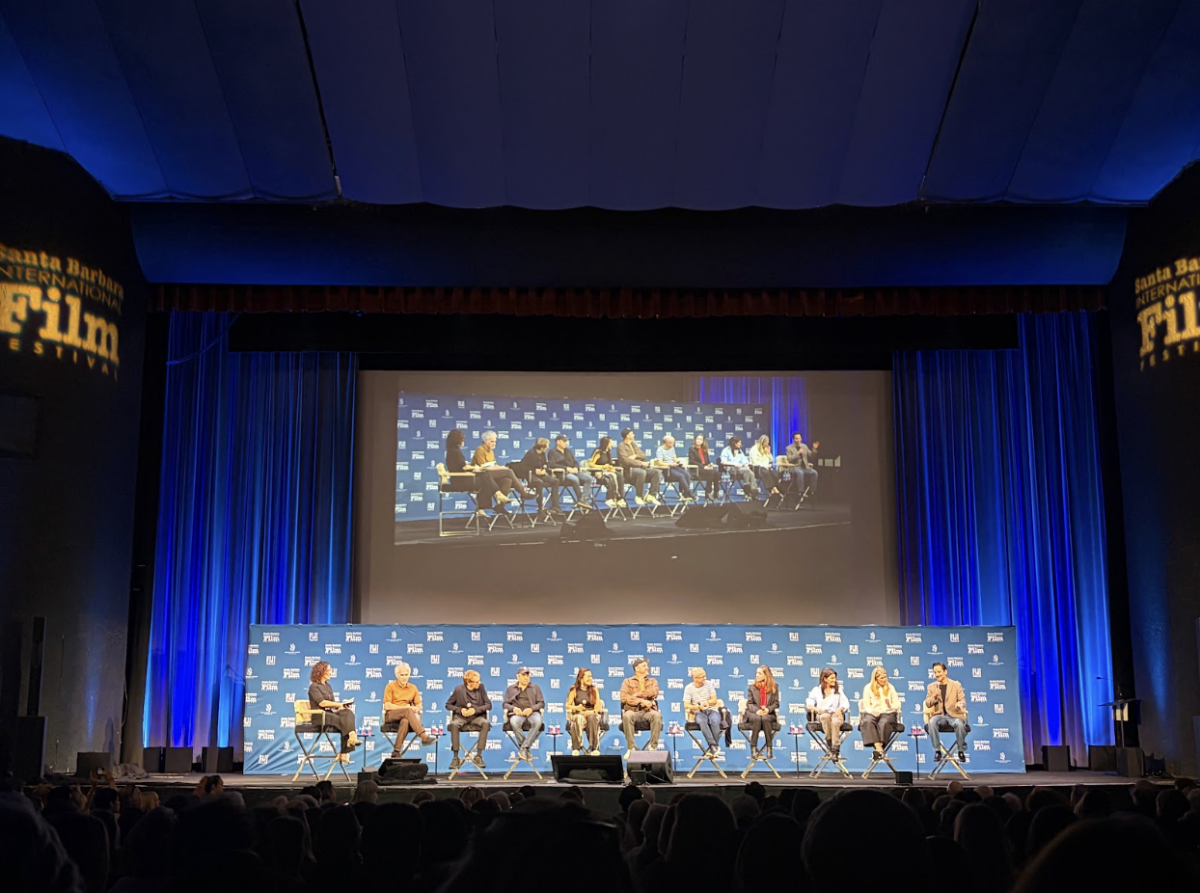
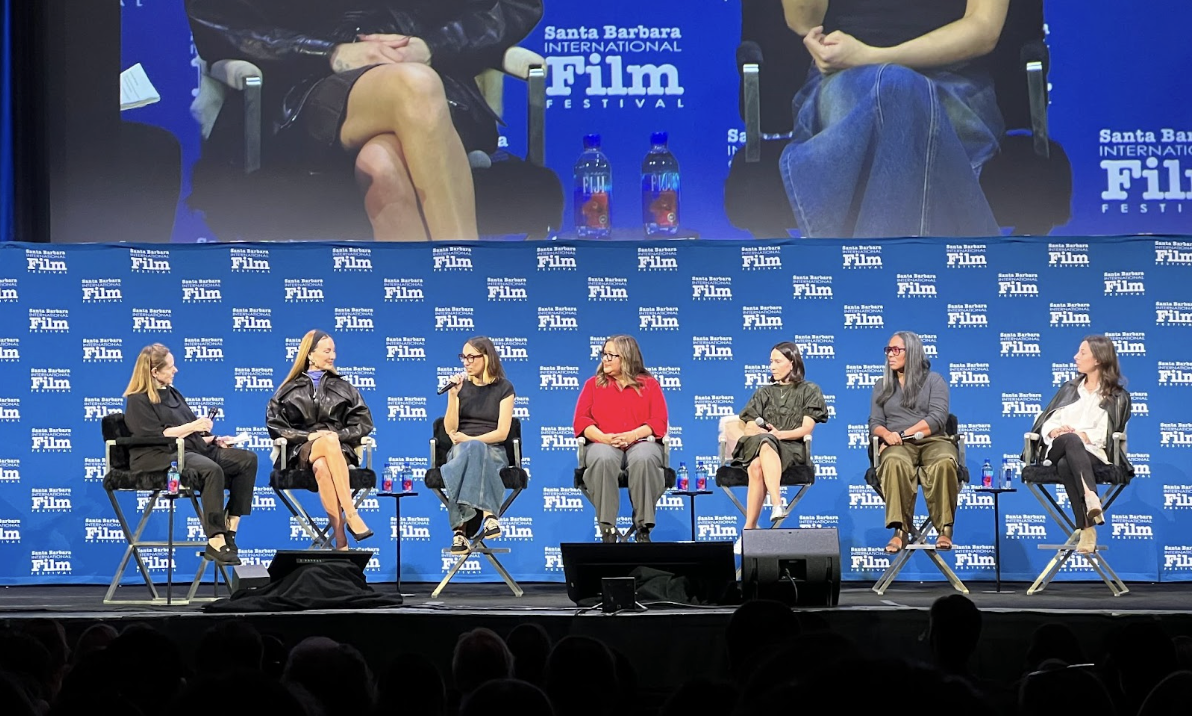


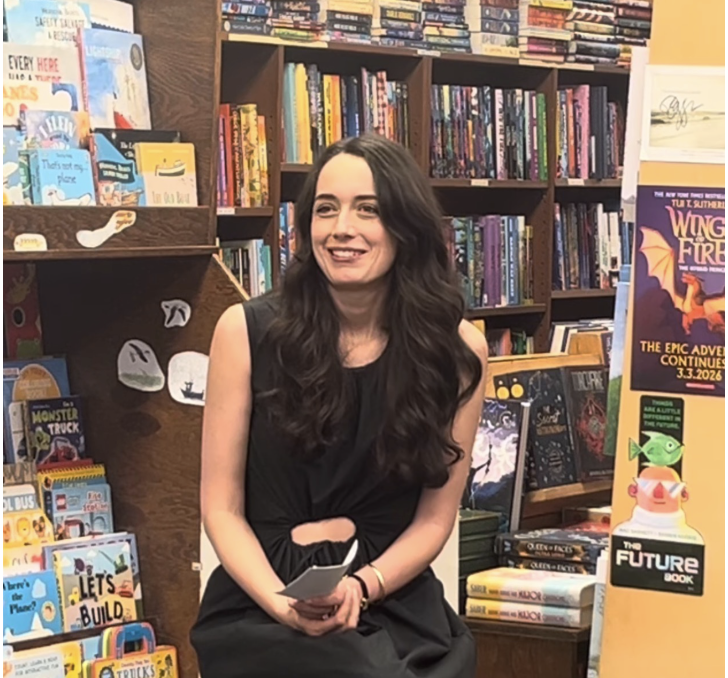


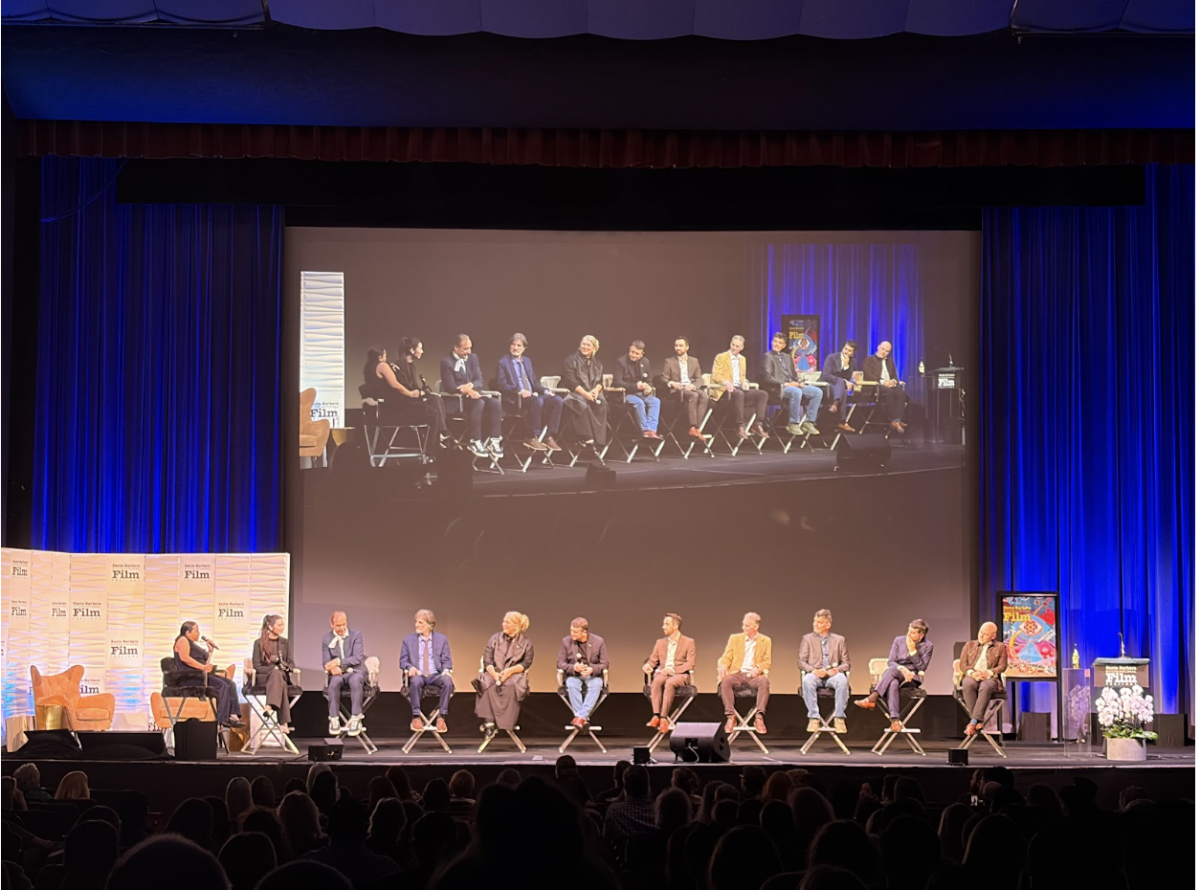
The 24th annual Women’s Panel at the 41st Santa Barbara International Film Festival (SBIFF) took place on Sunday, Feb. 8. The 2,018-seat Arlington Theatre was packed, a stark contrast to the 11 that attended the first-ever SBIFF Women’s Panel in 2002. The event was moderated by Madelyn Hammond, President of Madelyn Hammond & Associates, an entertainment marketing firm in Los-Angeles. Hammond was previously the Chief Marketing Officer for Variety.
Panelists included Miyako Bellizzi, costume designer for “Marty Supreme”, Laia Casanovas, sound team for “Sirat”, Yvett Merino, producer of “Zootopia 2”, Natalie Musteata, director of “Two People Exchanging Saliva”, Alisa Payne, producer of “The Perfect Neighbor”, and Ashley Shlaiferm, producer of “Train Dreams”.
Merino kicked off the panel, sharing her producer journey on “Zootopia 2”. The film is the highest-grossing animated film of all time, earning over $1.7 billion globally according to BBC News earlier this year. Merino talked highly of the artists that contributed their talent and hard work to make the film a reality, saying how glad she is, “..their work is seen and appreciated.” Merino explained how the entire 1200-strong Disney Animation staff reviewed the film at multiple iterations, providing feedback and criticism that aided in shaping the film into a smash hit.
Bellizzi gave a masterclass on costume designing for a large production by walking through her daily work on “Marty Supreme”. During filming, a 30,000 square foot warehouse was filled with garments to be worn during the production. Due to the 1952 time period, thousands of extras had to be pre-fit to ensure their clothes matched the time, meaning a staggering 50 people could be working on the costume crew at a time to ensure everything went according to plan. Bellizzi worked closely with “Marty Supreme” Casting Director Jennifer Venditti to find “vintage faces” that fit the aesthetic of the film.
Cassanovas, part of the sound team on “Sirât,” had an extremely unique sound experience. The film opens with a 17-minute techno rave scene. The film crew opted to use actual ravers, not background actors, for the rave. Due to maintaining the integrity of the rave, production was forbidden to stop the music for the shooting. Cassanovas remarked, “the dance floor was like a ritual.” Cassanovas got into sound professionally after studying cinema in college, the spark being lit by her time playing with recordings as a child. She is inspired by music’s ability to convey emotion in film, and was determined to have “texture” in the sound and feel of “Sirat”.
Payne’s producing experience with “The Perfect Neighbor” was equal parts traumatic and important. The documentary follows a “multiracial, multigenerational community” rocked by the murder of African American Ajike Owens, shot by white neighbor Susan Lorincz. Payne had close relations with the victim, and when she was notified of the news, she was determined to tell Owens’ story in a respectful, impactful way that spoke out against Florida’s harmful “stand your ground” gun laws. The documentary plays like a “scripted thriller”, utilizing police bodycam footage of Lorincz to tell the story. The project’s goal is for people to see in real time how family members are impacted by violence in America. The documentary is currently available on Netflix, and premiered at #1 in 40 countries when it launched on the platform. The documentary was independently produced and funded, and proceeds from Netflix go towards supporting Owens’ children.
Shlaiferm, who worked on “Train Dreams” for nearly ten years, based the film on the 2011 novella by Denis Johnson which follows protagonist Robert Grainer as he processes great tragedy and loss in the early 1900s in midwestern America. When she first read the novella, “it just washed over me, and it stayed with me, it got to the point where I couldn’t get it out of my head,” Shlaiferm says, “this is some of the most beautiful prose I’ve ever read, how do I make it into a film?” “Train Dreams” is available on Netflix and has been nominated for numerous awards, including the Academy Award for best picture, best adapted screenplay, and best cinematography.
Musteata, the director of the semi-short film “Two People Exchanging Saliva” spoke about the importance of constraints in art. Her constraint for this short was that she had no contacts in the film industry, and she lacked the knowledge of a film student. The film, which was shot in a department store in Paris, France, takes place in a dystopian world where people have to pay for things by being slapped, and kissing is illegal. “I feel like we’re living in a time where violence has become really normalized in a horrific way,” Musteata says, “and so it was important that that sort of fed into the script.” Simultaneously, Musteata was inspired by the women’s movement in Iran. “We’re looking at these young people being shot at because they’re demanding very normal civil rights…our world is so absurd, and there are so many things that are happening in our world that we accept as normal…so we wanted to twist the rules of our film to reflect back on the absurdity of our world.” “Two People Exchanging Saliva” is Oscar-nominated for best live action short film.