






![[The SBHS Girls Waterpolo 2025-’26 team photo, Image Credit: Legends Photography]](https://sbhsforgenews.com/wp-content/uploads/2026/02/Screenshot-2026-02-19-at-3.23.45-PM-1200x878.png)







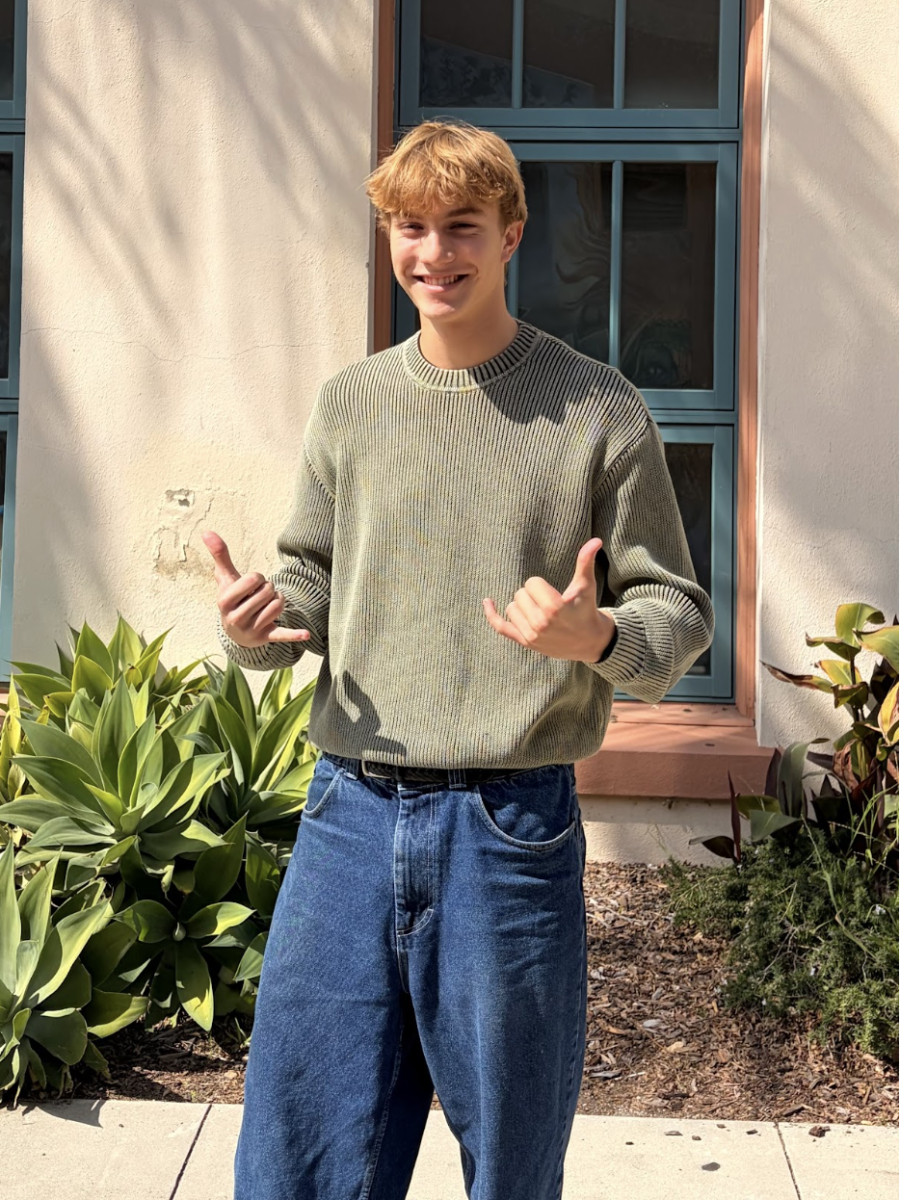
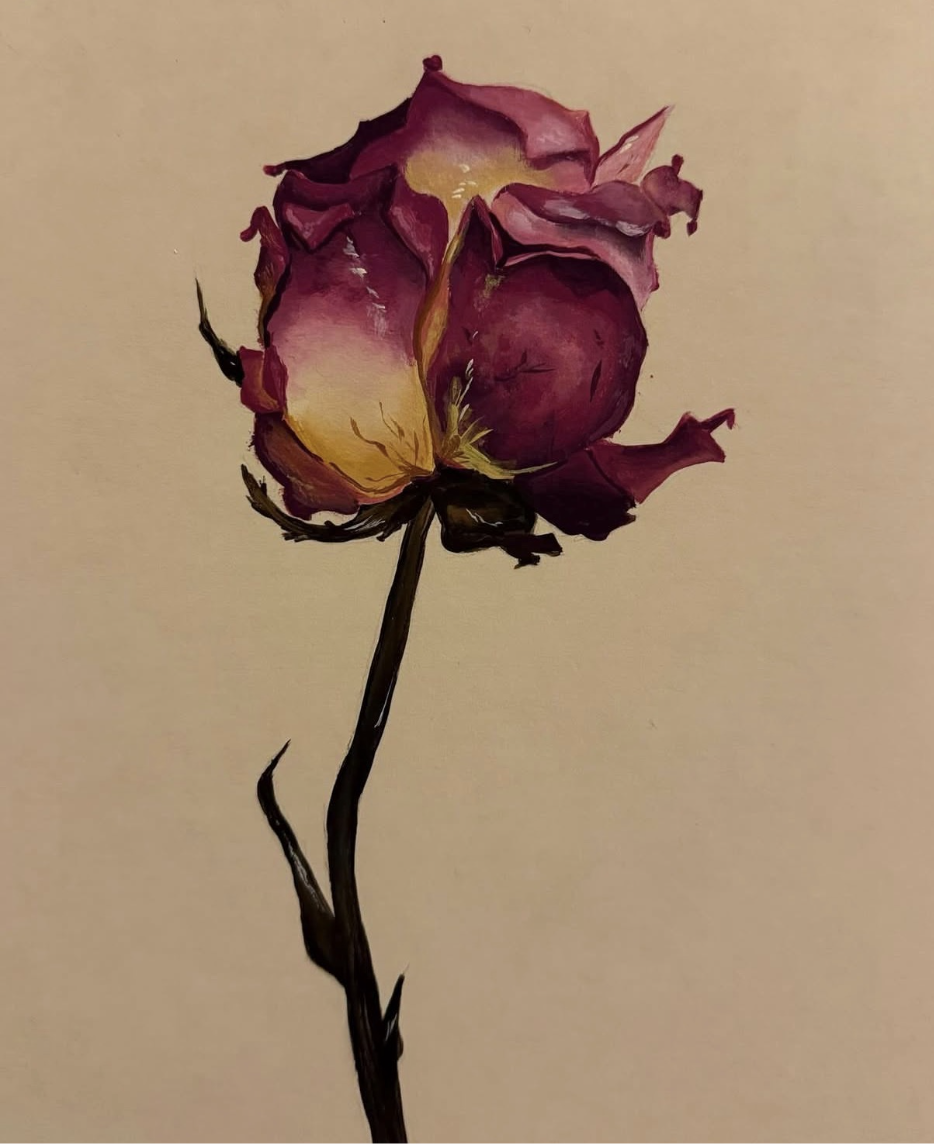

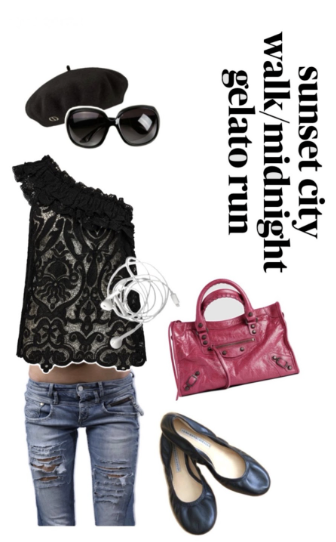
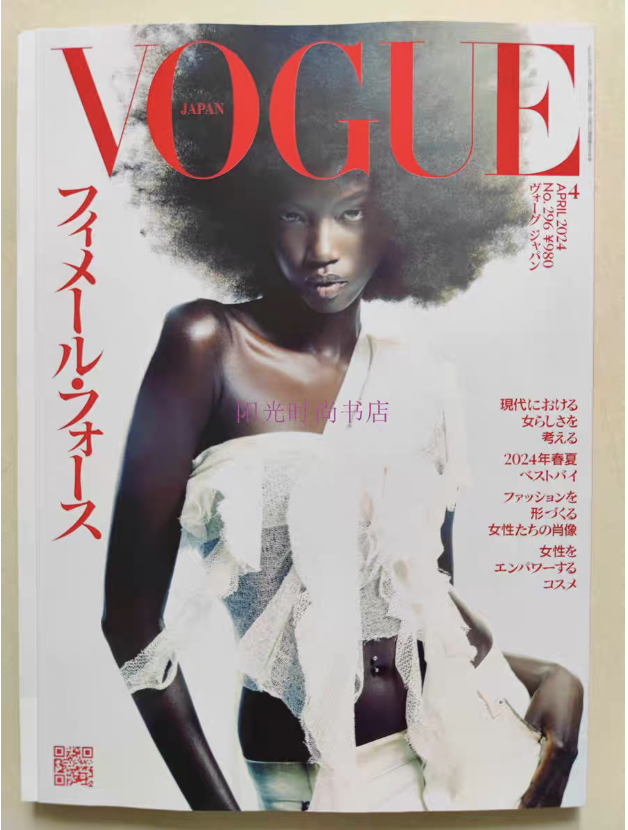

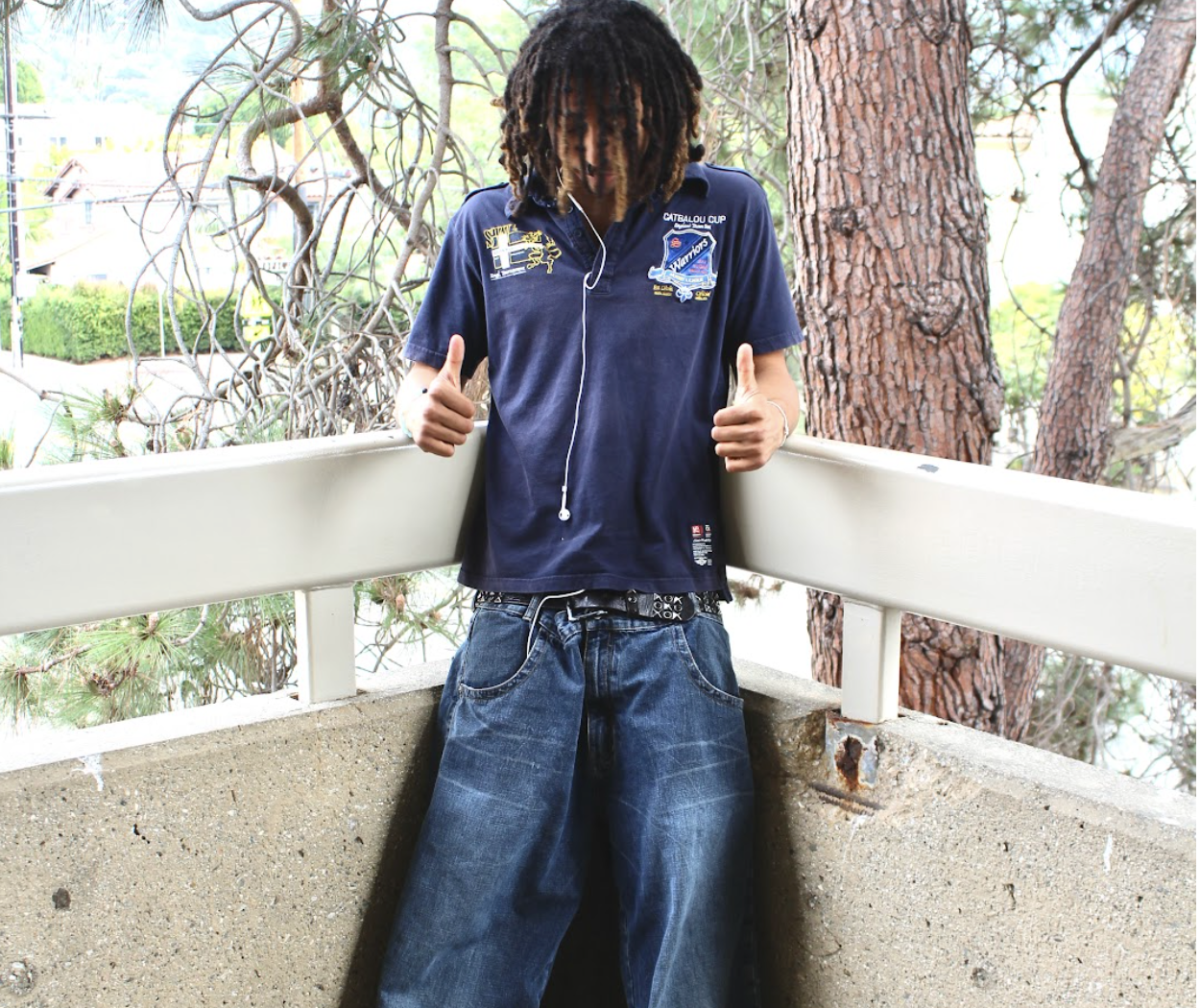






In today’s culture, trends spread at extraordinary speed, often appearing and disappearing before they can fully settle. Gianna Stump, a fashion student at Drexel University and a Santa Barbara High School (SBHS) alumnus, describes a trend as “a rapidly spreading shift in taste, behavior, or aesthetic that gains momentum through collective visibility,” largely pushed by social media and constant online circulation. Kennedy Barnes — business owner and creator of the fashion brand Kiki Collection — adds that trends move so fast now that “it’s easy to mistake a micro trend for something big,” especially when audiences are overwhelmed by an endless stream of new content.
A major reason for this acceleration is the combination of fast-fashion economics and digital immediacy. Stump links this to “the unfortunate consequences of late-stage capitalism,” pointing to companies that can replicate designs within days and sell them cheaply. This creates a cycle where people continually chase novelty, often with little awareness of the environmental and human cost. Barnes notes this pressure as well, explaining that with brands releasing new pieces weekly, “people these days are hungry for the next best thing,” and low quality only encourages further consumption.
Algorithms now have immense power in deciding what becomes a trend. Instead of magazines or celebrities defining what’s “in,” digital platforms amplify whatever gains quick engagement. Stump explains that today’s trends arise from “constant circulation, repetition, and validation across platforms,” and that influencers have replaced celebrities as cultural tastemakers because they feel more accessible. She points to figures like Emma Chamberlain, whose relatability makes her influence stronger than traditional celebrity endorsement. Barnes echoes this shift, stating that “online communities and algorithms almost decide on what’s becoming a trend,” because they magnify small niches until they appear mainstream.
Whether trends reflect the cultural moment or actively shape it is a more complicated question. Stump believes it’s both. Historically, she notes, fashion has mirrored politics and social norms. Restrictive Victorian clothing, for example, reflected restrictive gender expectations. Today, she sees a cultural echo: “with the cultural shift toward conservatism, women’s beauty standards are once again leaning toward being very thin and fair,” pointing to the rise of Ozempic and other weight loss medications as a symbol of this return. Barnes, however, emphasizes that trends often create the zeitgeist, particularly through cultural innovation. She explains that in the African American community, “box braids, streetwear foundations, along with music, dance, etc,” have shaped mainstream culture and influenced how people dress, speak, and express themselves.
Understanding what ends a trend is just as important as understanding what starts one. Oversaturation is often cited, but Barnes argues it’s not always the killer people assume. She says, “over saturation could be a powerful thing,” pointing to examples like athleisure, Y2K fashion, and the clean-girl aesthetic—all of which have remained popular despite their ubiquity. Trends die when they fail to evolve or when their appeal relies solely on novelty; strong trends survive because they resonate with deeper needs or cultural values.
Most trends follow a recognizable life cycle: a small spark, algorithmic amplification, widespread adoption, oversaturation, and eventual decline or transformation. What used to unfold over years now happens in weeks. This speed contributes to cultural burnout, but it also reflects a society constantly searching for new forms of expression and identity.
For creatives navigating this rapid landscape, originality matters. As a business owner, Barnes explains her approach: she balances trend participation with uniqueness by “using older trends and modernizing them into something new,” rather than simply recycling what’s already popular. This mindset keeps trends evolving instead of becoming stale or derivative.
Ultimately, trends are more than fleeting aesthetics—they are indicators of collective mood, desire, and identity. They show us what people feel drawn to, what they reject, and what they aspire to imitate. They expose cultural anxieties, shifts in power, and the push-and-pull between individuality and belonging. Trends can reinforce harmful norms, but they can also elevate marginalized voices and redefine mainstream culture.
By examining how trends spread, why they accelerate, and what causes them to fade, we gain insight into the broader cultural forces shaping our moment. Trends don’t just reflect the zeitgeist—they help create it, one viral moment at a time.