



![[The SBHS Girls Waterpolo 2025-’26 team photo, Image Credit: Legends Photography]](https://sbhsforgenews.com/wp-content/uploads/2026/02/Screenshot-2026-02-19-at-3.23.45-PM-1200x878.png)

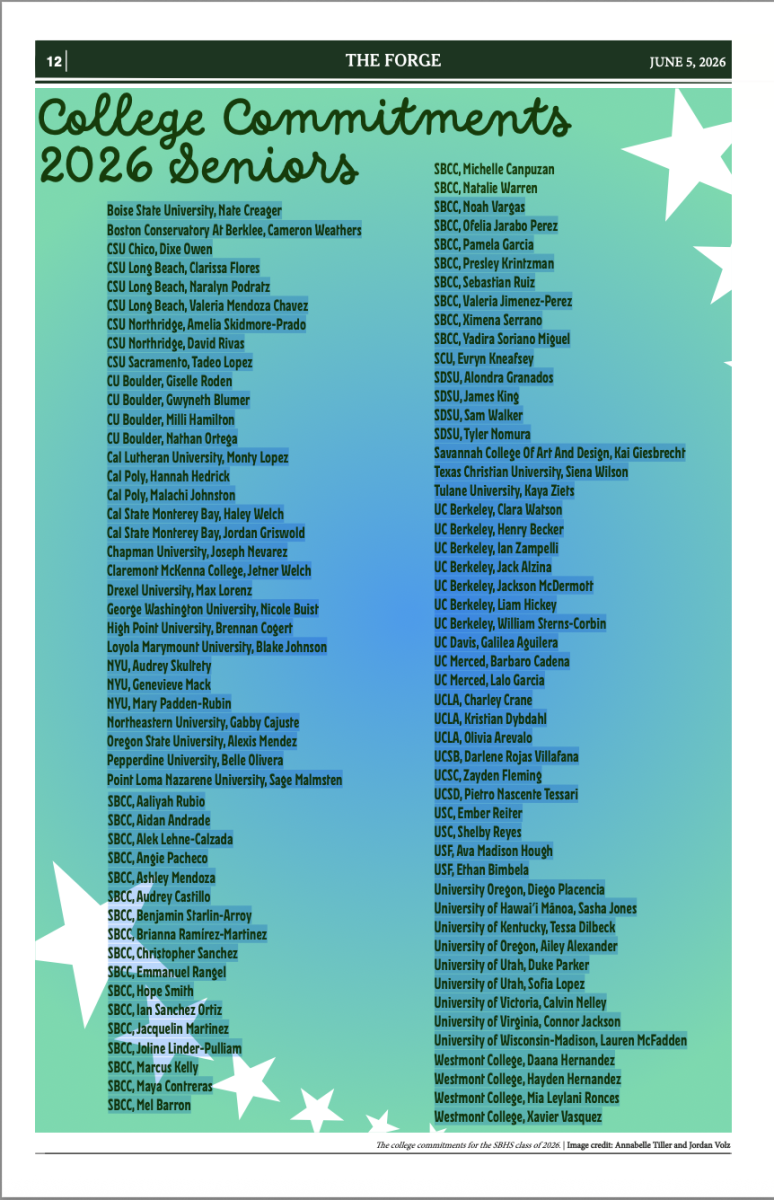

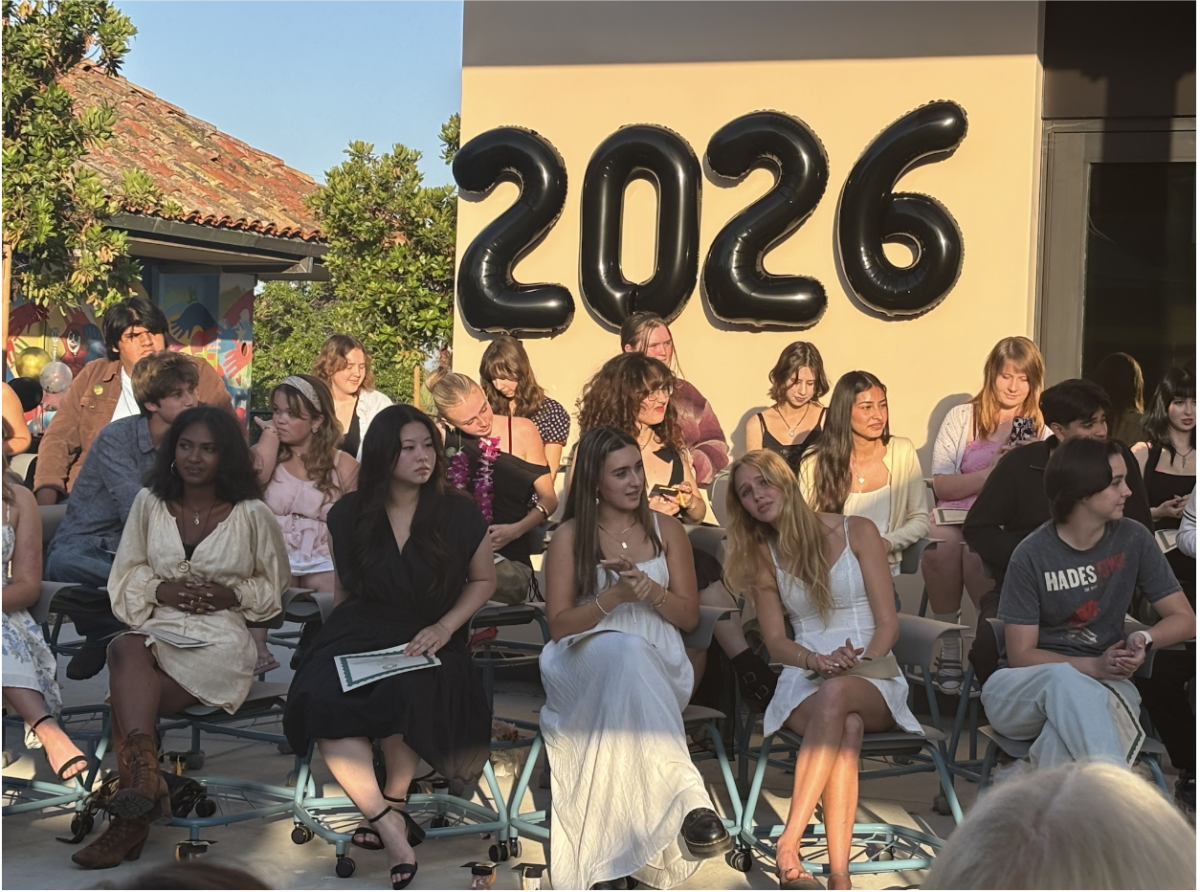






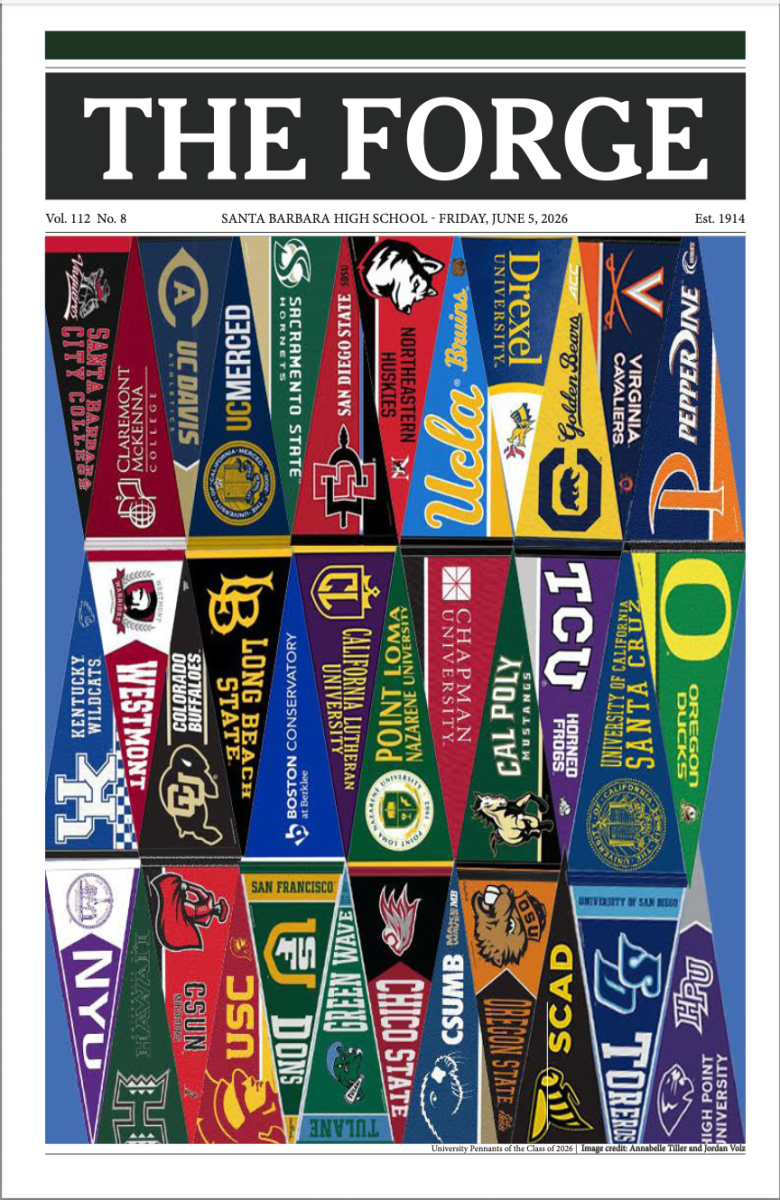




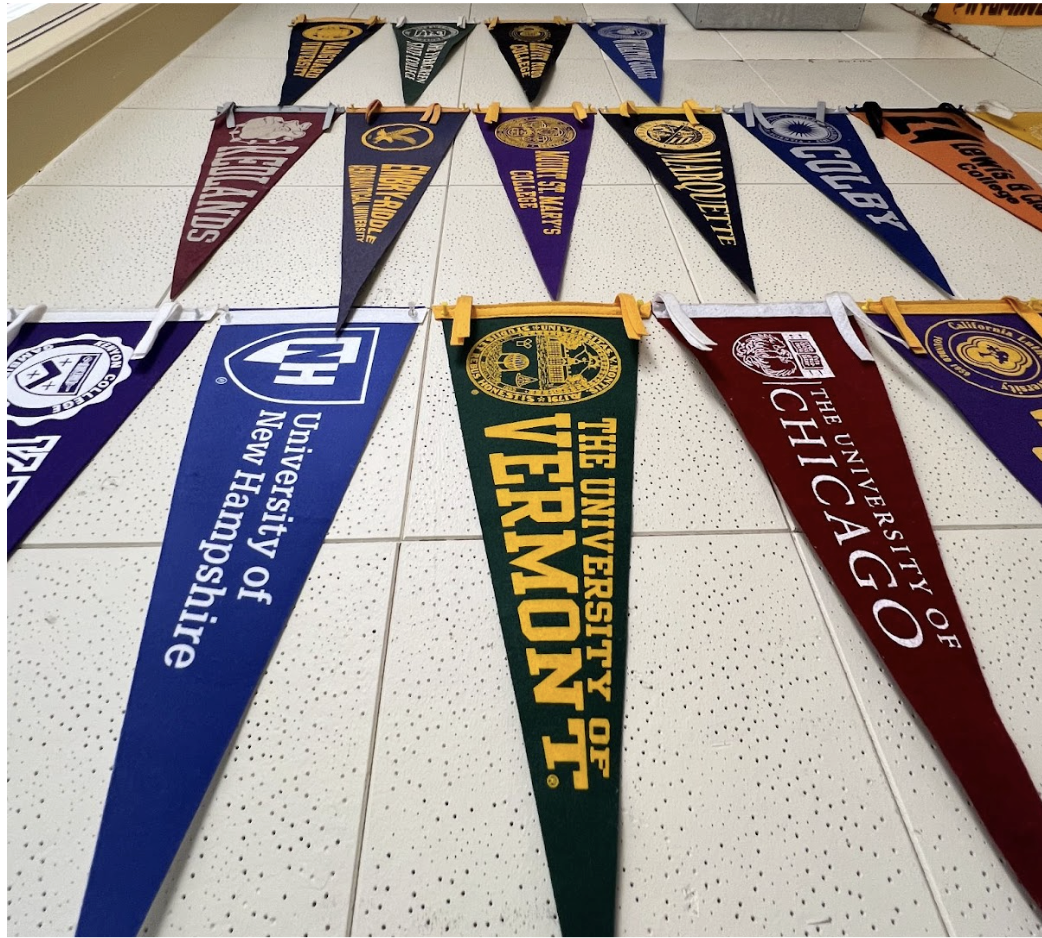
As the Class of 2026 at Santa Barbara High School (SBHS) eagerly awaits college admission decisions in the upcoming months, many seniors are met with more dread than excitement. Each year seemingly more and more schools become ultra-competitive, with rejection letters feeling more common than acceptances. But is this ACTUALLY true, or a tall tale made up designed to make incoming college undergraduates feel hopeless?
In 2003, the acceptance rate for Harvard University, one of the most competitive colleges in the world, was 10%. Now it hovers around 3 – 4%. Out of 54,008 applicants in 2024, only 1,970 were admitted. Refocusing back home, in 2013, UC Santa Barbara (UCSB) had an acceptance rate of around 44.4%. In 2024, UCSB reported the rate at 28%. This trend doesn’t only apply to these two schools, among the top 27 colleges, each school had lower acceptances in 2023 compared to 2013.
The main culprit may be population. In 2013, there were around 4.3 – 4.4 million 17 year-olds in the United States based on U.S. Census Data. In 2025, that range shot up to 4.7 – 4.8 million according to National Center for Education Statistics data. That’s around a half of a million more high schoolers in the U.S that may be eligible for college.
However, as admission becomes more competitive, college being viewed as a necessary career path is becoming increasingly unpopular. According to the Bureau of Labor Statistics, 65.9% of high school graduates in 2013 were enrolled in a college or university by October of that year. In 2024 that percentage dropped to 62.8%. It’s important to note that 3% of 4.8 million is 144,000, so even with the decrease of high schoolers choosing college, it still does not keep pace with the population growth. But why the drop? The best theory is price. According to CollegeBoard reporting, the median published tuition and fees for full-time undergraduates were around $8,893 for in-state four-year colleges, and $22,203 for out-of-state public four-year colleges. In 2024, those costs rose to $11,600 for in-state public four-year schools and $30,800 for out-of-state public four-year schools. Rising student housing costs on top of tuition also contributes to more students choosing a different career path than a college education.
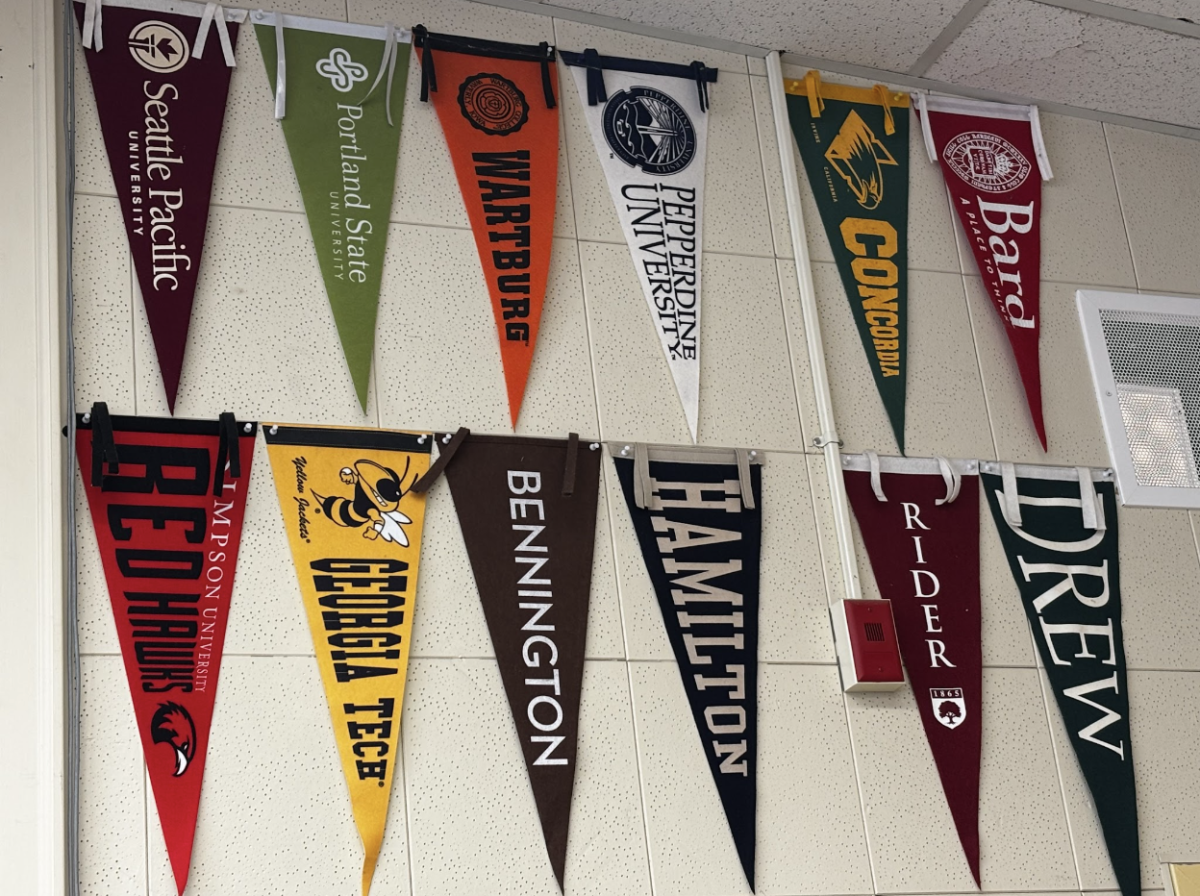
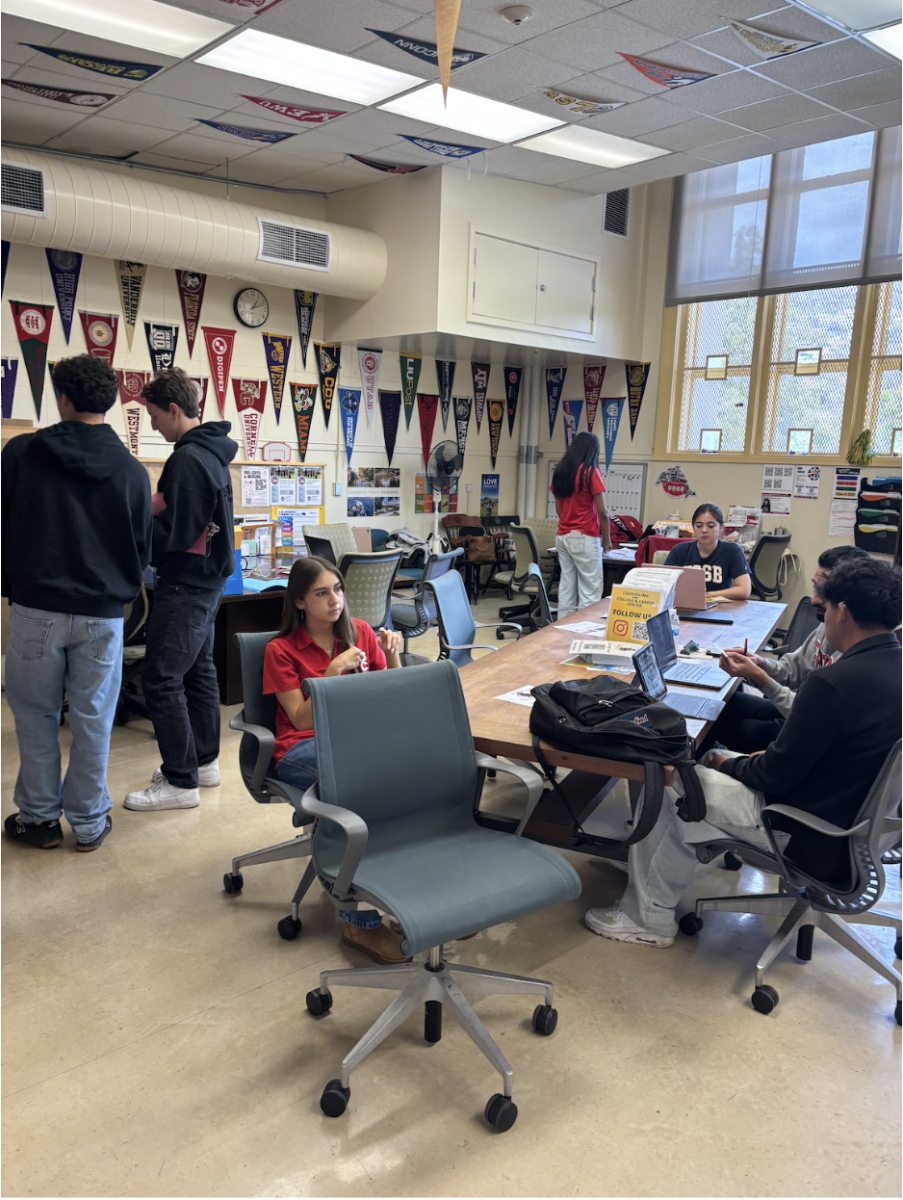
However, this still is not the full story. Spencer Barr, college and career counselor at SBHS remarked on the current college admission landscape. “It’s definitely harder to get into certain colleges because there are more students applying to what I call the ‘sweatshirt schools’. But if students look kind of beyond those, it’s easier to get into college. There’s enrollment declines in most colleges nationwide but there’s enrollment increases at the super competitive ones…things have shifted because there’s more students applying to fewer schools.” In essence, if students are applying to the top 30-40 institutions, it is going to be dramatically harder to gain acceptance. But for the remaining 98.4% of schools, gaining admission is actually statistically easier than the 2010’s.
What does this mean for the community at SBHS? Perhaps students should place an increased focus on applying to a wide variety of colleges, instead of zeroing in on admission into some of the most notable institutions across the nation. A degree remains the same degree at the end of the day, no matter what school’s name is printed across the top. During this time of heightened anxiety during the admission process, may all students, parents, and teachers keep that in mind.